Welcome to the Disability Labs Podcast Network (DLPN) — a collaborative audio hub where educators, therapists, curriculum designers, and purpose-driven creators come together to amplify the voices of students who learn differently.

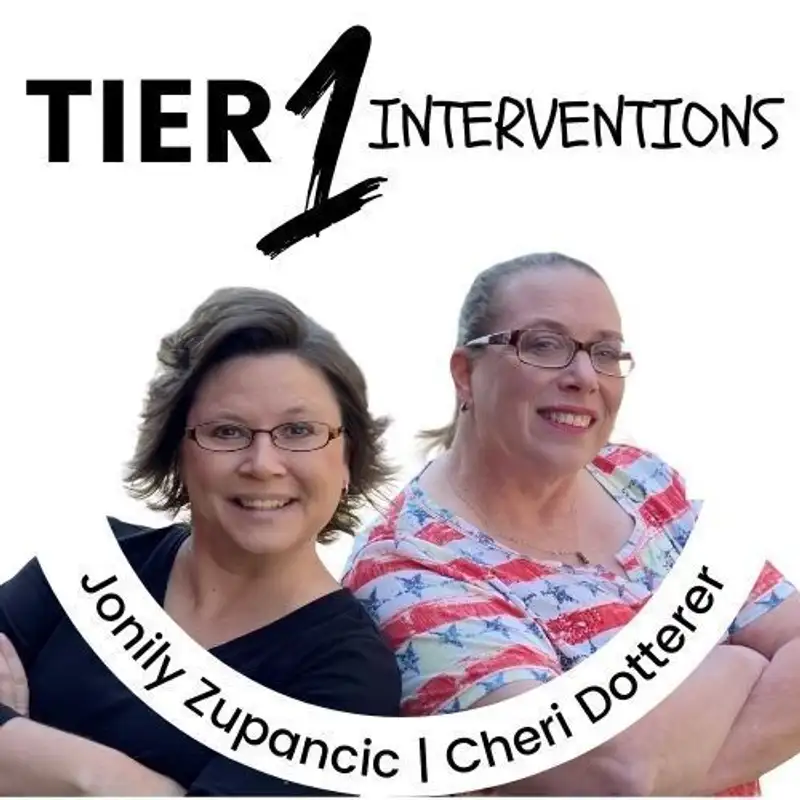
Founded by Cheri Dotterer, occupational therapist and host of The Writing Glitch, Tier 1 Interventions, and The Purpose-Filled Teacher, LDPN is a one-of-a-kind space uniting podcasts dedicated to the science, stories, and strategies behind learning disabilities like dyslexia, dysgraphia, dyscalculia, ADHD, and more.

Whether you're a parent seeking hope, a teacher searching for effective tools, or a clinician committed to making a difference, LDPN offers expert interviews, hands-on interventions, and personal breakthroughs that go beyond labels. We don’t just talk about learning struggles—we provide real, neuroscience-based solutions that ignite potential and reimagine possibility.

Through our network of independently hosted shows, we foster collaboration, spark innovation, and empower leaders in the field of learning support. LDPN is also home to a new generation of teacherpreneurs and educators called to create impact while staying rooted in purpose.

Want to launch your own podcast within the LDPN family? We're looking for mission-aligned creators to join us. If your podcast explores learning differences and inclusive education, there’s a seat at our table.

Latest Episodes

The Math Education Shift Teachers Need

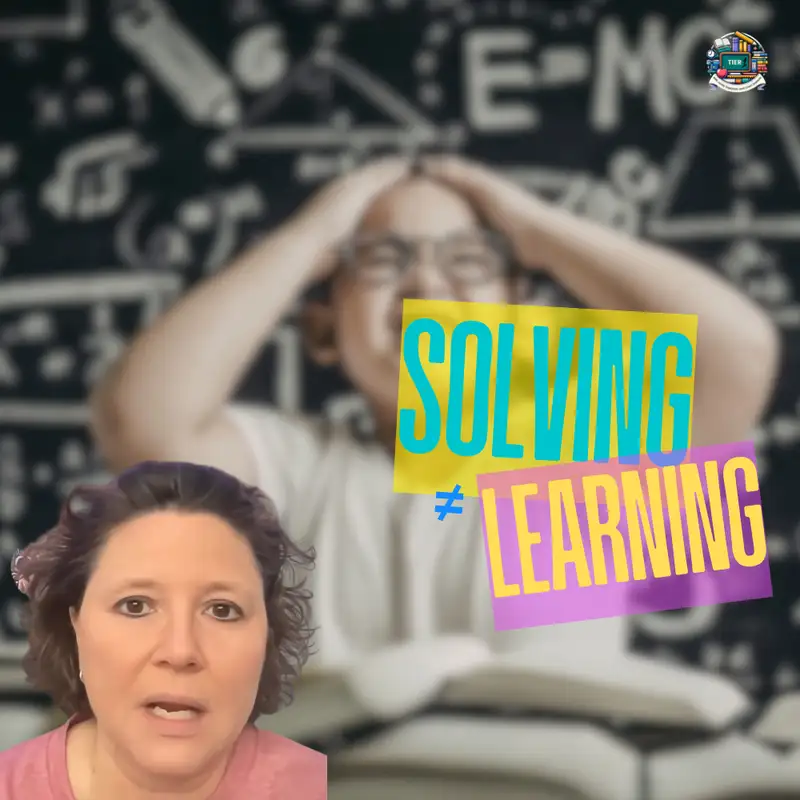
Why do students struggle with math — even when they get the answer right?In this full math professional development training, Jonily — founder of Minds on Math and host of Saturday Math — challenges one of the biggest misconceptions in math education:Solving is not learning.For decades, math instruction has prioritized procedures, algorithms, and finishing problems. But true math achievement comes from something deeper: number sense, reasoning, and conceptual understanding.If you're a math teacher, instructional coach, intervention specialist, or school leader working to improve math achievement and raise math test scores, this training will show you what most curriculum models get wrong — and how to fix it.In This Math Instruction Training, You’ll Learn:✔ The critical difference between number sense and notation✔ Conceptual vs procedural math instruction — and why balance matters✔ Why solving problems doesn’t guarantee understanding✔ How to improve math test scores without teaching more procedures✔ How the brain actually learns mathematics✔ Instructional strategies that scale math achievement across K–12 classroomsWhether you're preparing for state testing, redesigning your math curriculum, implementing Tier 1 math instruction, or seeking effective math intervention strategies, this session provides practical, research-informed insights grounded in real classroom results.Who This Is ForThis training is designed for:• K–12 math teachers• Intervention specialists• Instructional coaches• School administrators• District leaders focused on math achievementIf you're serious about improving math instruction and reducing math anxiety while increasing student confidence, this session will challenge your thinking — and give you a clear instructional shift to implement.About JonilyJonily is the host of Saturday Math and founder of Minds on Math. She specializes in helping educators improve math achievement through instructional shifts that prioritize thinking, reasoning, sense-making, and number sense — without sacrificing performance.Ready to Go Deeper?Join our next free math professional development training:https://us06web.zoom.us/meeting/register/tcMBm3kYSe29Uk2gXlRwPwBecause improving math instruction starts with one powerful truth:Solving is not learning.🎧 Prefer to Listen On the Go?SpotifyApple PodcastsAmazon/Audible🎙️ Credits: Host: Jonily Zupancic Production: Disability Labs Podcast Network⚠️ Disclaimer: The content shared in this video is for educational purposes only and does not replace your district’s policies or individualized education plans. Always consult with your instructional team before implementing new strategies.

Why Productive Struggle Matters in Math

Why do so many students stop trying after just one mistake?In this episode of Tier 1 Interventions, we explore why mistakes are an essential part of learning mathematics—and why many classrooms unintentionally train students to quit when they encounter difficulty.Think about how humans naturally learn. When babies learn to walk, they fall hundreds—sometimes thousands—of times before they succeed. Yet in school, mistakes are often treated as failure instead of a necessary part of learning.In this session we discuss:• Why students often stop after making a single mistake • How adult reactions can unintentionally teach students to quit • Why perseverance is essential for deep mathematical understanding • How teachers can guide students through mistakes instead of rescuing them • The role of questioning strategies like “Tell me about…” in helping students thinkWhen classrooms embrace productive struggle, students develop resilience, deeper understanding, and confidence in their mathematical thinking.This video is Session 6 of a 10-part October Workshop Series exploring how math instruction can support deeper thinking and stronger student independence.👍 Subscribe to Tier 1 Interventions for more strategies that improve math learning and student success.🔗 Get involved with Tier 1 Interventions coaching: Check the link in the show notes to join live sessions or access the full year of professional learning. Join one Mastery Math Method Workshop for just $47.Contact jonily@mindsonmath.com👇 Comment below: Where do you see kids getting stuck most often in math?⏱ Timestamps0:30 Why students often quit after one mistake1:10 How adult responses influence perseverance2:00 The walking analogy: how humans actually learn3:00 Why school sometimes discourages struggle4:00 Breaking the cycle of perfectionism in learning5:00 Why meaningful change in classrooms takes time6:10 Retrieval practice and why forgetting is necessary7:20 “Tell me about…” – a questioning strategy for teachers8:20 Moving from telling to guiding student thinking9:30 Closing thoughts🎯 Ready to Change Math Outcomes in 10 Days?👉 Join our FREE Masterclass for school leaders, teachers, and OTs: https://disabilitylabs.com/calendar🎧 Prefer to Listen On the Go?SpotifyApple PodcastsAmazon/Audible🔗 Stay Connected🌐 Website: https://disabilitylabs.com/courses/mastery-math-bundle 📧 Disability Labs Community: https://disabilitylabs.com/community/3d-learning-lounge-1🎙️ Credits: Host: Cheri Dotterer Co-Host: Jonily Zupancic Production: Disability Labs Podcast Network🧠 Resources Mentioned:Mastery Math Method Level One (Lifetime Access): https://disabilitylabs.com/courses/mastery-math-bundleMastery Math Method Live sessions (Annual Subscription): https://disabilitylabs.com/courses/mastery-math-method-group-coaching⚠️ Disclaimer: The content shared in this video is for educational purposes only and does not replace your district’s policies or individualized education plans. Always consult with your instructional team before implementing new strategies.KeywordsTier 1 math instruction, math achievement, math intervention, Algebra 1 instruction, brain-based math, math pacing guide, math scope and sequence, Novel Model, Mastery Math Method, math structure, K-12 math, math education reform, Tier 1 interventions, number sense, math retention

The Moment Students Stop Thinking in Math Class

Have you ever watched students suddenly stop thinking during a math lesson?In this episode of Tier 1 Interventions, we explore the moment when students shift from active problem-solving to waiting for the teacher to tell them what to do next.Many classrooms unintentionally train students to depend on the teacher for the next step. Over time, students stop engaging in deep thinking and instead look for hints, procedures, or answers.In this session we discuss: • The moment students shift from thinking to waiting • How classroom habits can unintentionally create dependency • Why productive struggle is necessary for mathematical understanding • How teachers can encourage deeper thinking without rescuing students too quicklyHelping students remain engaged in thinking is one of the most important shifts teachers can make to build independence and long-term math confidence.This video is Session 5 of a 10-part October workshop series exploring how math instruction can support deeper thinking and stronger student independence.👍 Subscribe to Tier 1 Interventions for more strategies that improve math learning and student success.🔗 Get involved with Tier 1 Interventions coaching: Check the link in the show notes to join live sessions or access the full year of professional learning. Join one Mastery Math Method Workshop for just $47.Contact jonily@mindsonmath.com👇 Comment below: Where do you see kids getting stuck most often in math?⏱ Timestamps0:22 The moment students stop thinking in math1:05 When students begin waiting for answers1:45 How classroom habits shape student thinking2:30 The shift from solving problems to seeking answers3:15 Why students start depending on the teacher4:00 What productive struggle actually looks like4:45 Supporting students without rescuing them5:30 Strategies that keep students thinking longer6:15 Encouraging persistence in problem solving7:00 Closing thoughts🎯 Ready to Change Math Outcomes in 10 Days?👉 Join our FREE Masterclass for school leaders, teachers, and OTs: https://disabilitylabs.com/calendar🎧 Prefer to Listen On the Go?SpotifyApple PodcastsAmazon/Audible🔗 Stay Connected🌐 Website: https://disabilitylabs.com/courses/mastery-math-bundle 📧 Disability Labs Community: https://disabilitylabs.com/community/3d-learning-lounge-1🎙️ Credits: Host: Cheri Dotterer Co-Host: Jonily Zupancic Production: Disability Labs Podcast Network🧠 Resources Mentioned:Mastery Math Method Level One (Lifetime Access): https://disabilitylabs.com/courses/mastery-math-bundleMastery Math Method Live sessions (Annual Subscription): https://disabilitylabs.com/courses/mastery-math-method-group-coaching⚠️ Disclaimer: The content shared in this video is for educational purposes only and does not replace your district’s policies or individualized education plans. Always consult with your instructional team before implementing new strategies.KeywordsTier 1 math instruction, math achievement, math intervention, Algebra 1 instruction, brain-based math, math pacing guide, math scope and sequence, Novel Model, Mastery Math Method, math structure, K-12 math, math education reform, Tier 1 interventions, number sense, math retention

Why Math Instruction Isn’t Working for Many Students

Many teachers work incredibly hard to help students succeed in math, yet students continue to struggle with independence, perseverance, and deep understanding. In this episode of Tier 1 Interventions, we explore three hidden problems in math classrooms that may be quietly limiting student learning.Through real classroom examples and discussion, we examine how well-intentioned teaching habits—both in schools and at home—can unintentionally interfere with productive struggle and long-term mathematical thinking.When students are constantly rescued from mistakes or pushed toward perfection, they often lose the opportunity to build independence and persistence. Over time, this affects how they approach problem solving, learning, and even their confidence in mathematics.In this session we discuss: • How perfectionism can develop through school and parenting experiences • Why middle school students often appear less independent than younger students • The role of productive struggle in long-term math achievement • Why telling students everything can limit deep learning • How teachers can shift classroom practices to support stronger thinkingThis video is Session 4 of a 10-part October Workshop series exploring how math instruction can better support student thinking, independence, and conceptual understanding.If you work with students in math classrooms, intervention programs, or special education services, this series will help you rethink how learning actually happens.👍 Subscribe to Tier 1 Interventions for more strategies that improve math learning and student success.🔗 Get involved with Tier 1 Interventions coaching: Check the link in the show notes to join live sessions or access the full year of professional learning. Join one Mastery Math Method Workshop for just $47.Contact jonily@mindsonmath.com👇 Comment below: Where do you see kids getting stuck most often in math?⏱ Timestamps0:20 Reflecting on the Classroom Experience0:50 Why Younger Students Often Show More Independence1:25 The Challenge of Rebuilding Independence in Older Students2:00 Perfectionism and Parenting Expectations2:40 How Early Messages Shape Learning Behavior3:20 Breaking Generational Learning Patterns4:00 Honest Conversations With Students and Families4:50 Teaching Lessons That Transfer Beyond the Classroom5:40 What Teachers Can Do When Students Make Mistakes6:20 Turning Mistakes Into Learning Opportunities7:00 Brain Development in Middle School Students7:40 Why Middle Schoolers Sometimes Act Like Toddlers8:20 Teaching Independence Instead of Expecting It9:00 Measurement and Modeling Activities in Math10:00 Barriers Teachers Face With Productive Struggle10:50 Helping Students See What Collaboration Looks Like11:40 The Role of Support Staff and Adults in the Room12:20 Why Removing Struggle Prevents Learning13:10 Evidence From Schools About What Isn’t Working14:00 The Reality Teachers Face With Curriculum Pressure14:30 Closing Thoughts and Workshop Invitation🎯 Ready to Change Math Outcomes in 10 Days?👉 Join our FREE Masterclass for school leaders, teachers, and OTs: https://disabilitylabs.com/calendar🎧 Prefer to Listen On the Go?SpotifyApple PodcastsAmazon/Audible🔗 Stay Connected🌐 Website: https://disabilitylabs.com/courses/mastery-math-bundle 📧 Disability Labs Community: https://disabilitylabs.com/community/3d-learning-lounge-1🎙️ Credits: Host: Cheri Dotterer Co-Host: Jonily Zupancic Production: Disability Labs Podcast Network🧠 Resources Mentioned:Mastery Math Method Level One (Lifetime Access): https://disabilitylabs.com/courses/mastery-math-bundleMastery Math Method Live sessions (Annual Subscription): https://disabilitylabs.com/courses/mastery-math-method-group-coaching⚠️ Disclaimer: The content shared in this video is for educational purposes only and does not replace your district’s policies or individualized education plans. Always consult with your instructional team before implementing new strategies.KeywordsTier 1 math instruction, math achievement, math intervention, Algebra 1 instruction, brain-based math, math pacing guide, math scope and sequence, Novel Model, Mastery Math Method, math structure, K-12 math, math education reform, Tier 1 interventions, number sense, math retention

The Teaching Mistake That Kills Student Independence

In this episode of Tier 1 Interventions, we explore a common classroom mistake that quietly destroys student independence: stepping in too quickly to fix the problem.During a real classroom activity where students were measuring height and collecting data, an unexpected moment revealed how easily adults can interrupt productive struggle. Instead of allowing students to explore, make mistakes, and think through the process, the task was taken over—removing the learning opportunity.Students build mathematical thinking through experience, experimentation, and problem solving. When we rescue them too quickly, we unintentionally teach them to wait for the answer instead of discovering it.In this session we discuss: • Why productive struggle is essential for learning • How rescuing students limits independence • What controlled chaos looks like in a classroom • Why elementary students often handle independence better than older students • How teachers can support thinking without taking overThis video is Session 3 of a 10-part October Workshop series exploring better ways to teach mathematics and support student thinking.If you work with students in math classrooms, intervention programs, or special education services, this series will help you rethink how learning actually happens.👍 Subscribe to Tier 1 Interventions for more strategies that improve math learning and student success.🔗 Get involved with Tier 1 Interventions coaching: Check the link in the show notes to join live sessions or access the full year of professional learning. Join one Mastery Math Method Workshop for just $47.Contact jonily@mindsonmath.com👇 Comment below: Where do you see kids getting stuck most often in math?⏱ Timestamps0:25 Review: When Teachers Should Tell vs Let Students Discover1:00 Fact Fluency vs Conceptual Learning1:40 Mini Lesson Example: Inches, Feet, and Yards2:20 Why Telling Does Not Equal Learning3:00 Preparing Students for the Measurement Activity3:45 Designing a “Controlled Chaos” Lesson4:30 The Classroom Teacher Leaves for a Meeting5:00 Students Begin Measuring Height5:40 When Productive Struggle Begins6:10 The Substitute Steps In6:50 The Moment Learning Was Interrupted7:30 Why Rescuing Students Hurts Learning8:15 How Schools Accidentally Teach Dependence9:00 Why Students Stop Persevering9:40 Classroom Discussion About Independence10:30 Elementary vs Middle School Independence11:30 What Controlled Chaos Should Look Like12:30 Why Students Need Space to Think13:30 Reflection on the Classroom Experience14:20 Invitation to the Monthly Masterclass🎯 Ready to Change Math Outcomes in 10 Days?👉 Join our FREE Masterclass for school leaders, teachers, and OTs: https://disabilitylabs.com/calendar🎧 Prefer to Listen On the Go?SpotifyApple PodcastsAmazon/Audible🔗 Stay Connected🌐 Website: https://disabilitylabs.com/courses/mastery-math-bundle 📧 Disability Labs Community: https://disabilitylabs.com/community/3d-learning-lounge-1🎙️ Credits: Host: Cheri Dotterer Co-Host: Jonily Zupancic Production: Disability Labs Podcast Network🧠 Resources Mentioned:Mastery Math Method Level One (Lifetime Access): https://disabilitylabs.com/courses/mastery-math-bundleMastery Math Method Live sessions (Annual Subscription): https://disabilitylabs.com/courses/mastery-math-method-group-coaching⚠️ Disclaimer: The content shared in this video is for educational purposes only and does not replace your district’s policies or individualized education plans. Always consult with your instructional team before implementing new strategies.KeywordsTier 1 math instruction, math achievement, math intervention, Algebra 1 instruction, brain-based math, math pacing guide, math scope and sequence, Novel Model, Mastery Math Method, math structure, K-12 math, math education reform, Tier 1 interventions, number sense, math retention

Hosts

Cheri Dotterer

Cheri Dotterer

Host of The Writing Glitch: Hack Dysgraphia No Pencil Required
Jonily Zupancic

Jonily Zupancic

Host of Podcast Shorts from the Disability Labs Podcast Network